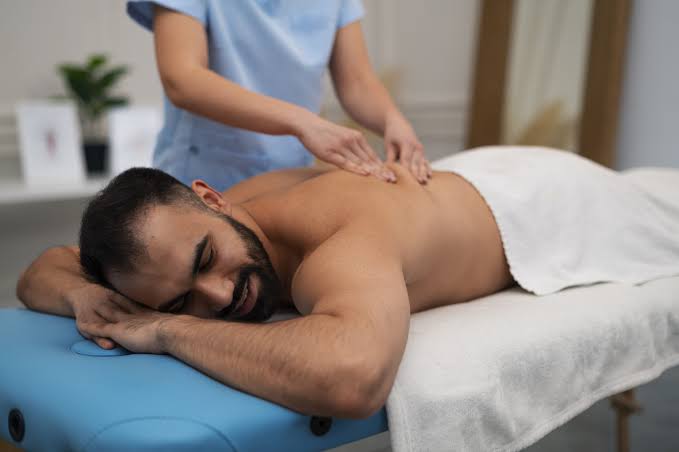
Finding the Right Massage Service for Relaxation, Recovery, and Better Well-Being
Modern life is often filled with deadlines, long work hours, screen time, and physical stress. These daily demands can leave the body feeling tense and the mind overwhelmed. One of the most effective ways to restore balance is through professional massage therapy. Whether you’re dealing with muscle stiffness, recovering after exercise, or simply looking to unwind, massage offers benefits that go far beyond relaxation.
Many people begin their search by typing massage near me into a search engine because convenience matters when you’re looking for quality wellness services. However, choosing the right therapist involves more than finding the closest location. Understanding different massage styles, knowing what to expect during your session, and recognizing the health benefits can help you make an informed decision.
This guide explores everything you need to know about massage therapy, from its physical and mental health advantages to selecting the right treatment for your needs.
Why Massage Therapy Is More Popular Than Ever
Massage therapy has become an essential part of modern self-care. While it was once viewed primarily as a luxury, it is now widely recognized as an effective way to support physical and mental wellness.
People from all walks of life—including office workers, athletes, seniors, and busy parents—regularly schedule massages to reduce stress, improve mobility, and maintain overall health.
Regular massage sessions can help:
- Relieve muscle tension
- Reduce stress hormones
- Improve blood circulation
- Enhance flexibility
- Support better sleep
- Speed up recovery after exercise
- Promote mental relaxation
These benefits make massage therapy suitable for both preventative care and recovery.
Understanding Different Types of Massage
Not every massage is the same. Each technique is designed to address different needs and health goals.
Swedish Massage
Swedish massage is one of the most common treatments. It uses long, flowing strokes combined with gentle kneading to relax muscles and improve circulation.
Ideal for:
- Beginners
- Stress relief
- General relaxation
- Improved circulation
Deep Tissue Massage
Deep tissue massage targets deeper muscle layers and connective tissues. It applies firmer pressure to release chronic muscle tension.
Best suited for:
- Persistent muscle pain
- Sports recovery
- Postural problems
- Chronic stiffness
Sports Massage
Designed specifically for active individuals, sports massage helps prevent injuries while improving flexibility and recovery.
Benefits include:
- Reduced muscle soreness
- Faster healing
- Improved performance
- Better mobility
Remedial Massage
Remedial massage focuses on treating specific musculoskeletal conditions and injuries.
Therapists assess problem areas before developing a personalized treatment plan.
Hot Stone Massage
Smooth heated stones are placed on specific parts of the body while gentle massage techniques encourage deeper relaxation.
This treatment is ideal for those experiencing:
- High stress
- Muscle tightness
- Fatigue
- Anxiety
Aromatherapy Massage
Essential oils are combined with gentle massage techniques to create a calming sensory experience.
Popular oils include:
- Lavender
- Peppermint
- Eucalyptus
- Chamomile
- Sandalwood
Physical Benefits of Regular Massage
Professional massage supports nearly every major system in the body.
Improved Blood Circulation
Massage stimulates healthy blood flow throughout the body.
Better circulation helps deliver oxygen and nutrients to muscles while removing waste products more efficiently.
Reduced Muscle Tension
Long periods of sitting, poor posture, and repetitive movements often create muscle tightness.
Massage loosens these tense muscles, improving flexibility and reducing discomfort.
Better Joint Mobility
Healthy muscles support healthy joints.
Massage increases movement around joints, making everyday activities easier and reducing stiffness.
Faster Exercise Recovery
Fitness enthusiasts often use massage to reduce delayed onset muscle soreness (DOMS).
Recovery benefits include:
- Reduced inflammation
- Better flexibility
- Improved circulation
- Quicker muscle repair
Mental Health Benefits
Massage therapy isn’t only beneficial for the body—it also supports emotional wellness.
Stress Reduction
Massage encourages the body to produce more serotonin and dopamine while lowering cortisol levels.
This creates feelings of relaxation and calm.
Better Sleep
People struggling with insomnia often notice improvements after regular massage sessions.
Relaxed muscles and reduced stress make it easier to fall asleep and stay asleep.
Reduced Anxiety
Many individuals report feeling mentally refreshed after massage therapy.
The calming environment combined with physical relaxation helps reduce anxious thoughts.
Massage and Office Workers
Modern workplaces contribute significantly to muscle discomfort.
Common issues include:
- Neck stiffness
- Shoulder pain
- Lower back tension
- Wrist discomfort
- Headaches
Massage therapy can reverse many of these problems by improving posture-related muscle imbalance.
Combining regular massage with stretching and ergonomic workstations provides lasting relief.
Massage for Athletes
Athletes place enormous demands on their bodies.
Massage helps by:
- Increasing flexibility
- Preventing injuries
- Improving muscle recovery
- Enhancing performance
- Reducing fatigue
Professional sports teams often include massage therapists as part of their medical staff.
Choosing the Right Massage Therapist
Finding the right therapist involves more than convenience.
Consider these factors:
Qualifications
Choose licensed or certified therapists with professional training.
Experience
Experienced therapists understand how to customize treatments for individual needs.
Clean Environment
A professional clinic should maintain excellent hygiene standards.
Communication
A good therapist asks questions about:
- Pain levels
- Medical history
- Previous injuries
- Treatment goals
Personalized care leads to better outcomes.
Preparing for Your Massage
A little preparation can improve your overall experience.
Before your appointment:
- Stay hydrated
- Avoid heavy meals
- Arrive early
- Wear comfortable clothing
- Discuss health conditions openly
Communication allows the therapist to adjust pressure and techniques throughout the session.
What Happens During a Massage Session?
Most appointments begin with a brief consultation.
The therapist asks about:
- Areas of discomfort
- Recent injuries
- Lifestyle habits
- Desired pressure level
Afterward, you’ll lie comfortably on a massage table while the therapist works on targeted muscle groups.
Sessions commonly last:
- 30 minutes
- 60 minutes
- 90 minutes
- 120 minutes
Aftercare Tips
The benefits continue after your massage ends.
To maximize results:
- Drink plenty of water
- Stretch gently
- Avoid intense workouts immediately afterward
- Rest if possible
- Follow therapist recommendations
Some mild soreness after deep tissue massage is normal and usually resolves within a day or two.
How Often Should You Get a Massage?
Frequency depends on your goals.
General wellness:
- Once every month
Stress management:
- Every 2–3 weeks
Chronic pain:
- Weekly or as recommended
Athletic recovery:
- Before and after competitions
- Weekly during heavy training
Consistency usually delivers better long-term results than occasional treatments.
Common Myths About Massage Therapy
Myth 1: Massage Is Only for Relaxation
While massage is relaxing, it also supports injury recovery, mobility, and pain management.
Myth 2: Deep Pressure Is Always Better
The best pressure depends on your comfort level and treatment goals.
Too much pressure can actually increase muscle guarding.
Myth 3: Massage Eliminates All Pain Immediately
Some conditions improve gradually over multiple sessions.
Massage works best as part of an overall wellness routine.
Myth 4: Only Athletes Need Massage
Anyone experiencing muscle tension, stress, or physical discomfort can benefit.
Massage and Workplace Wellness
Many companies now include massage therapy within employee wellness programs.
Benefits include:
- Improved productivity
- Reduced absenteeism
- Better morale
- Lower stress levels
- Increased job satisfaction
Even short chair massage sessions during the workday can significantly improve employee well-being.
Finding the Right Clinic
When searching for professional services, many people begin with massage near me because accessibility matters. However, it’s equally important to compare therapist qualifications, customer reviews, treatment options, and clinic cleanliness before making an appointment.
Those living or working in Australia’s largest city often seek massage in sydney city because of the wide variety of experienced therapists, wellness clinics, and specialized treatments available in convenient central locations.
Taking the time to research your options helps ensure a comfortable, professional, and rewarding experience.
Making Massage Part of a Healthy Lifestyle
Massage therapy works best alongside other healthy habits.
Consider combining massage with:
- Regular exercise
- Balanced nutrition
- Proper hydration
- Quality sleep
- Stress management techniques
- Daily stretching
Together, these habits promote long-term physical and mental wellness.
Conclusion
Massage therapy is much more than a luxury—it is a valuable investment in your overall health. From relieving everyday muscle tension to supporting athletic recovery and improving emotional well-being, regular massage provides benefits that can positively affect nearly every aspect of daily life.
Whether you’re seeking relief from chronic discomfort, recovering from physical activity, or simply looking to recharge after a busy week, professional massage therapy offers a safe and effective solution. By choosing a qualified therapist, selecting the right massage style, and maintaining regular appointments, you can enjoy lasting improvements in comfort, mobility, relaxation, and overall quality of life.